How Love and Deepspace Used Stick Figures for Building Brand Advocacy with Gen Z and Defying Censorship
By Ari Vivekanandarajah · 7 May 2026 · 6 min read
Add to preferred sources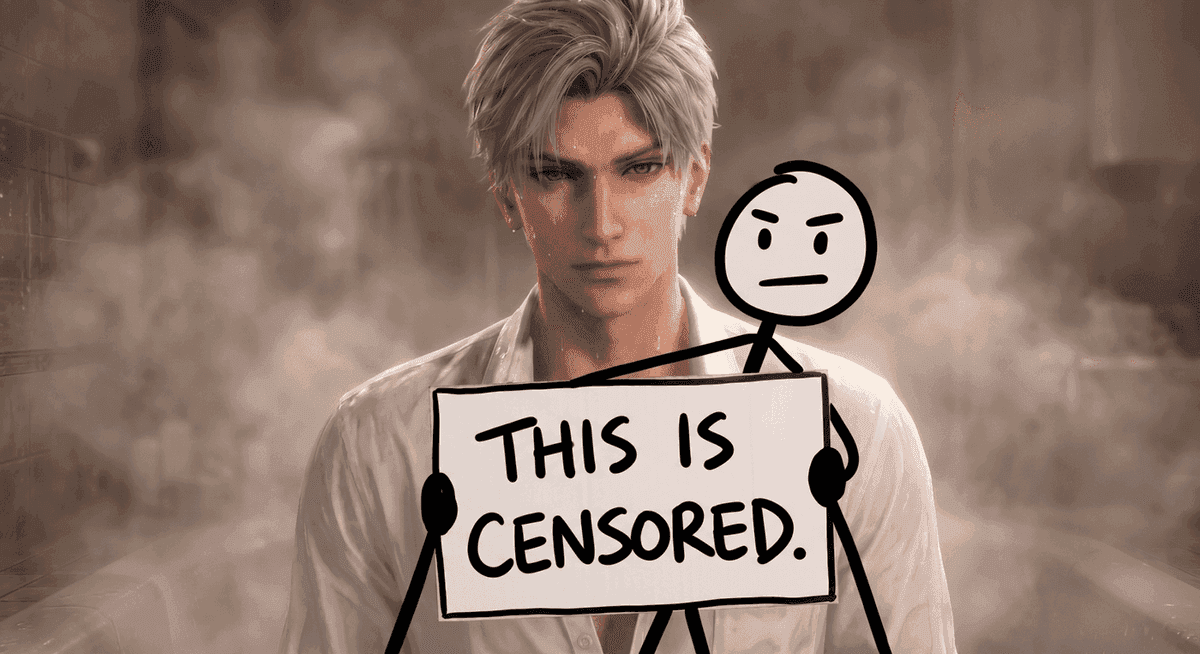
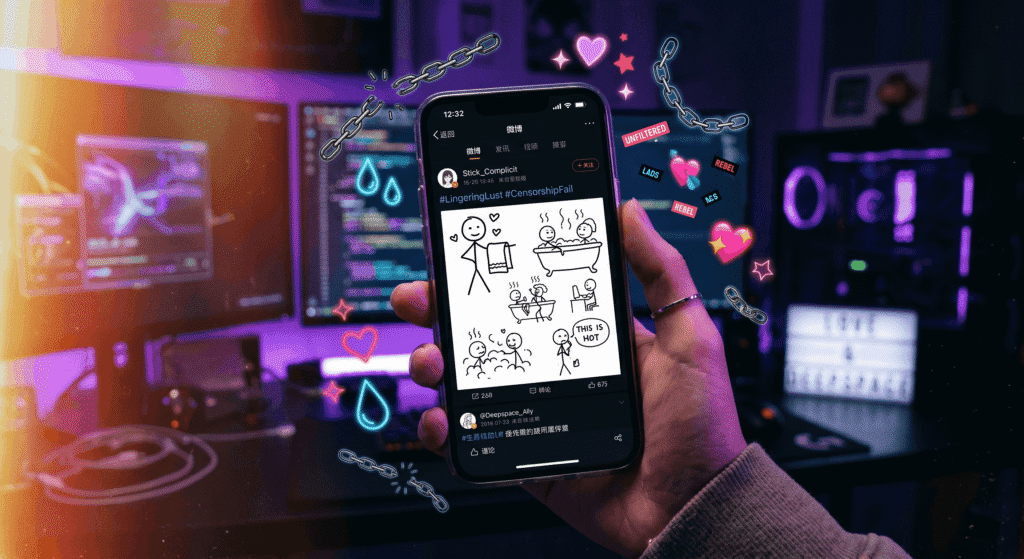
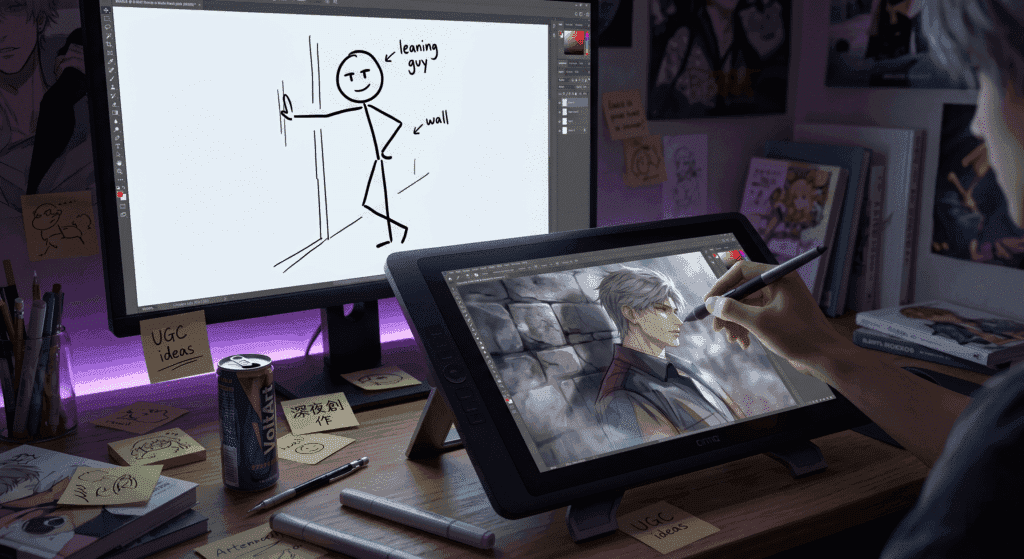
Navigating the minefield of Chinese social media algorithms is a high-stakes game for developers, especially when fans are clamouring for the “spicy” content that defines the genre. When Infold Games prepared to launch their bath-themed Lingering Lust event, they hit a massive wall: the platform bots were ready to flag their high-definition, steamy renders into oblivion. Instead of backing down or sanitising their vision, the team pivoted to a stroke of low-fi genius. They swapped their hyper-realistic 3D graphics for crude, hand-drawn stick figure doodles to act out the scenes, proving that building brand advocacy with Gen Z often requires a sense of humour rather than a massive production budget.
This “abstract” marketing stunt wasn’t just a funny workaround; it was a total reimagining of the brand-consumer relationship. By leaning into the absurdity of the situation, the Love and Deepspace team abandoned the polished corporate facade to become a “Brand Ally” to their players. It turns out that failing to meet a high aesthetic standard can actually be a massive win for loyalty when it’s done with a wink and a nudge. We are seeing a brilliant case of how transparency and a bit of “rebellious” creativity can turn a censorship crisis into a viral victory that resonates far more than a traditional trailer ever could.
Why does the “Brand Ally” approach matter in today’s digital climate?
Traditional marketing has long relied on the “Corporate Monologue”, which is a one-way street where brands broadcast a perfect, untouchable image. But for a generation that grew up seeing through filters, that wall is starting to crumble. Gen Z doesn’t want a brand that acts like a flawless authority; they want a “Community Dialogue.” When platform censorship or rigid algorithms step in to block the content fans actually want, those bots become a shared enemy. By acknowledging these hurdles rather than hiding them, a brand stops being a faceless vendor and starts acting like a co-conspirator.
There is a massive psychological pull in “Brand Complicity.” When a developer and their fans work together to “beat the system” (even if it’s just by using cheeky stick figure drawings), it creates a bond that a standard ad spend simply cannot buy. This shared frustration builds an emotional bridge. Fans feel seen because the brand is essentially saying, “We’re annoyed by this too, so let’s find a way around it together.” In the end, a raw, honest moment of solidarity creates a much deeper level of brand loyalty than any “perfect” advertising campaign ever could.
What does “Building Brand Advocacy with Gen Z” really look like?
Breaking the corporate fourth wall
In a landscape where most companies simply “follow the rules” and end up losing engagement to sterile, safe content, Love and Deepspace took a sharp left turn. They understood that having Gen Z as an ally isn’t about maintaining a pristine image; it’s about breaking the fourth wall. By stepping out of the role of a traditional “seller” and into the shoes of a “co-conspirator”, the brand creates a “we’re in this together” vibe. This shift turns a simple product launch into a shared mission, making fans feel like they are part of a movement rather than just targets of a marketing funnel.
Vulnerability and shared humour as a strategy
There is a massive amount of brand power in being able to say, “We know this is ridiculous, but we’re trying.” Using crude stick figures to represent high-end, 3D love interests is a vulnerable move that relies entirely on shared humour. By prioritising fan service over traditional “brand prestige”, Infold Games showed that they value the community’s enjoyment more than their own corporate ego. Interestingly, showing “bad” art actually increased the brand’s value because it felt human. This level of transparency is exactly what works when building brand advocacy with Gen Z, as it proves the brand is willing to look a little silly if it means delivering what the fans are actually asking for.
What innovative ideas did Infold Games use to dominate the conversation?
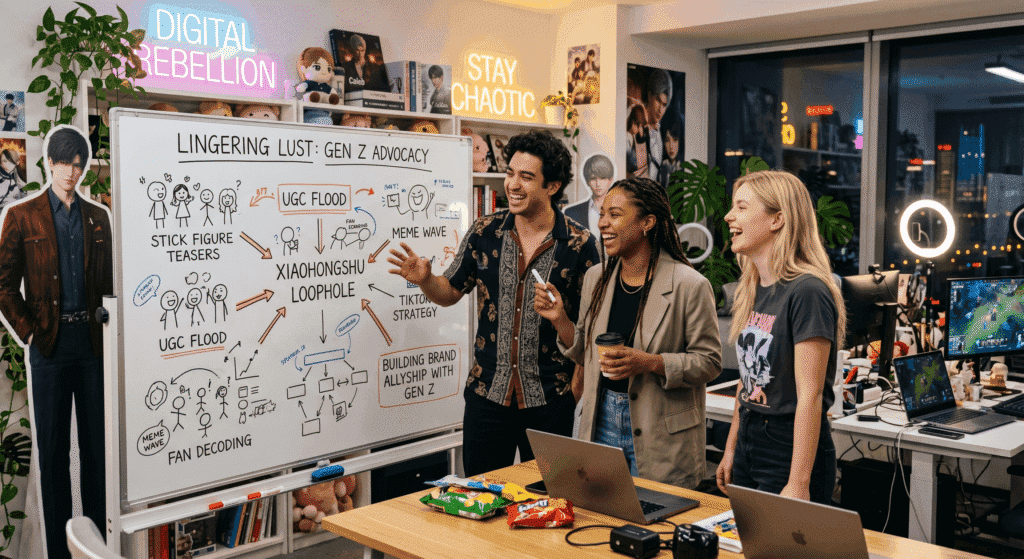
The brilliance of the “Abstract Teasers” lay in their ability to turn a restriction into a game. By using stick figures to act out scenes of the Lingering Lust event, Infold Games effectively engaged the community’s imagination. This forced fans to interact more deeply with the content as they tried to “decode” the stick figures, leading to ten times the comments seen on a standard high-definition trailer. This move also triggered a wave of User-Generated Content (UGC), as players began drawing their own interpretations of the censored scenes. This flooded social media algorithms with organic fan art, which is a key component when you are focused on building brand advocacy with Gen Z through community participation.
Beyond the drawings, the brand showed incredible platform-specific agility by acting as a savvy guide for its audience. They posted the “safe” stick figure versions on restricted platforms like XiaoHongShu while simultaneously pointing fans towards uncensored spaces where the full renders lived. This tactic humanised the development team, making them feel like a group of tired, funny humans working late to get around the rules rather than a faceless corporation. By leaning into this relatable “hustle”, the brand made the campaign feel less like an advertisement and more like a shared victory for everyone involved.
How Love and Deepspace is building brand advocacy with Gen Z through complicity
By stepping into the trenches with their audience, Infold Games has successfully cultivated a “ride-or-die” fan base that feels the brand is truly on their side. Moving away from corporate perfectionism allowed the team to drive viral engagement that a polished ad simply could not achieve. This strategy proves that building brand advocacy with Gen Z requires a company to be more human than hyper-polished. When a brand chooses to be a co-conspirator in the face of shared frustrations, it stops being a mere product and starts becoming a cultural ally.
The long-term impact of this campaign is significant, as it transforms a simple update into lasting “Stick Figure Lore” that fans will reference for years. It serves as a reminder that a clever marketing strategy does not always need a massive budget or flawless execution to succeed. By prioritising authenticity and shared humour, Love and Deepspace has set a new standard for how brands can navigate digital obstacles while deepening the emotional investment of their community.
FAQs
1. Can brands without “spicy” content use the Brand Ally strategy?
Absolutely. Any brand that faces a shared obstacle with its customers, whether it’s rising shipping costs, supply chain issues, or tech glitches, can win by being transparent and using humour to align with the customer’s frustration.
2. Is “low-effort” content like stick figures risky for a luxury brand?
It is only risky if it is not self-aware. When done with a “wink” to the audience, it signals high social intelligence, which Gen Z values more than expensive production.
3. How does this help with building an allyship with Gen Z specifically?
Gen Z is the most “ad-aware” generation. They can smell a corporate script a mile away. When a brand breaks character to join a trend or mock a restriction, it earns “cool points” that traditional ads simply cannot buy.
Found this useful? Get more of our insight in your Google results and AI answers.
Add to preferred sources
Ari Vivekanandarajah
Co-founder & Lead Strategist, Hype Insight
Co-founder of Hype Insight. Two decades turning marketing and technology spend into measurable revenue, and author of the AI Agent Playbook for Businesses.
More from Ari →Search Engine Optimisation
Monitor your SEO rankings and optimise your web pages to make it easier for your audience to find you.
→