McDonald’s goes behind the scenes to hype fan-favorite Snack Wrap return
By Ari Vivekanandarajah · 11 June 2025 · 4 min read
Add to preferred sources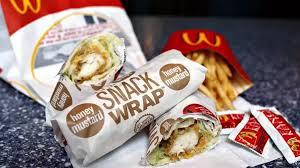
If you’re anything like most people scrolling through social media lately, you probably came across a post or two about the Snack Wrap return. And let’s be honest, whether or not you’re a diehard fan of that tortilla-wrapped goodness, it probably made you pause. Not just because the product’s coming back (though that’s exciting enough), but because of how McDonald’s is doing it.
The fast food giant isn’t just tossing an old item back onto the menu. No. They’re creating an entire moment around it. And if you look closely, there’s a goldmine of marketing insight wrapped up in this relaunch (pun absolutely intended). From nostalgic web portals to AR experiences and well-timed push notifications, McDonald’s is showing us all what it means to build real anticipation in a digital-first world.
And it’s working. Oh, it’s working.
How McDonald’s made memory marketing work
Let’s go back for a second. The Snack Wrap disappeared from menus back in 2016. Since then, fans haven’t let it go. Posts have been popping up year after year, begging for its return. That’s where McDonald’s first move comes in: listening. They didn’t just see the buzz. They used it.
So when it came time for the return of the Snack Wrap, McDonald’s leaned into the fandom. Their campaign opens with a nod to a legendary sports moment, Michael Jordan’s “I’m back” fax from 1995. This time, it’s the President of McDonald’s USA saying, “It’s back.” A simple statement, but packed with emotional and cultural weight.
That’s the thing: this isn’t just nostalgia for the sake of it. It’s nostalgia anchored in audience behavior. Fans wanted this. McDonald’s made them part of the storyline. They launched a microsite that looks like a retro desktop, filled with hidden folders labeled things like “fan emails,” “behind-the-scenes,” and “merch concepts.” It’s quirky. It’s specific. And most importantly, it’s fun.
The snack wrap return becomes a marketing masterclass
Here’s where things get even more interesting. McDonald’s didn’t stop at sentiment. They built a multi-channel campaign that hits everywhere their audience hangs out. There’s a new TV spot, of course. But the real juice is in the digital experience.
They rolled out a first-of-its-kind Snapchat Reminder Ad, a tool that lets fans opt in to be notified when the Snack Wrap return hits menus nationwide on July 10. There’s even an AR lens that turns your selfie into a breaking news segment reporting the big comeback. It’s playful, sure. But it also nails the platform’s strengths.
If you’re a brand owner, think about what’s happening here: McDonald’s isn’t just talking to their audience. They’re co-creating a moment. They’re inserting the Snack Wrap into people’s digital routines and conversations in unexpected, delightful ways. The result? The conversation isn’t just about a product; it’s about belonging to a community that “gets it.”
What brands and entrepreneurs can learn from this campaign
This isn’t just a fast food story. It’s a business story. And there are lessons all over the place.
Build with, not for, your audience first. This advertising was not conceived in a boardroom by McDonald’s. The tweets, the DMs, the Reddit threads, they read the room. They fueled their real-world strategy with actual user sentiment.
Second, don’t be afraid to play. That web portal? It’s not necessary. But it adds depth, personality, and a sense of discovery. And that’s exactly what people crave in a sea of robotic marketing.
Third, meet your audience where they are now. From Snapchat to out-of-home billboards, McDonald’s understood where different groups interact with media. They didn’t try to force everyone into one funnel. They opened the doors across multiple touchpoints, making sure the Snack Wrap return wasn’t just an announcement, but a cultural event.
And finally, value doesn’t always mean discounting. McDonald’s didn’t come in with a price drop. They came in with emotional equity. They made people feel something again. That’s priceless.
A return that’s more than just a wrap
Sure, this is about food. But it’s really about understanding your audience, showing up where they care most, and delivering an experience, not just a message.
McDonald’s took something small, something forgotten by corporate but remembered by the people, and turned it into a movement. In a world where attention is everything and nostalgia hits hard, this campaign shows that the smartest marketing strategy doesn’t always have to be loud. Sometimes, it just has to be in tune.
For any entrepreneur, marketer, or business leader watching this unfold, pay attention. This is what it looks like when a legacy brand remembers how to act like a startup. And frankly? We could all take a page from that playbook.
Because if the Snack Wrap return teaches us anything, it’s this: when you listen first, you don’t have to shout to be heard.
FAQs
1. How can small brands create hype like big brands do?
Start small, use your actual audience’s feedback and build buzz from what they already care about.
2. Do I really need to use multiple platforms for one campaign?
Not always, but meeting people where they already are makes your message hit way harder.
3. Is nostalgia really that powerful in marketing?
Yes, when it’s genuine and rooted in your brand’s history, it connects emotionally and drives action.
Found this useful? Get more of our insight in your Google results and AI answers.
Add to preferred sources
Ari Vivekanandarajah
Co-founder & Lead Strategist, Hype Insight
Co-founder of Hype Insight. Two decades turning marketing and technology spend into measurable revenue, and author of the AI Agent Playbook for Businesses.
More from Ari →Marketing Automation
Save time on repetitive activities and free up key resources with leading marketing automation options.
→