
The Pepsi NFL sponsorship shows how a soda brand is rewriting its playbook
By Ari Vivekanandarajah · 22 September 2025 · 5 min read
A fresh game plan for an old player
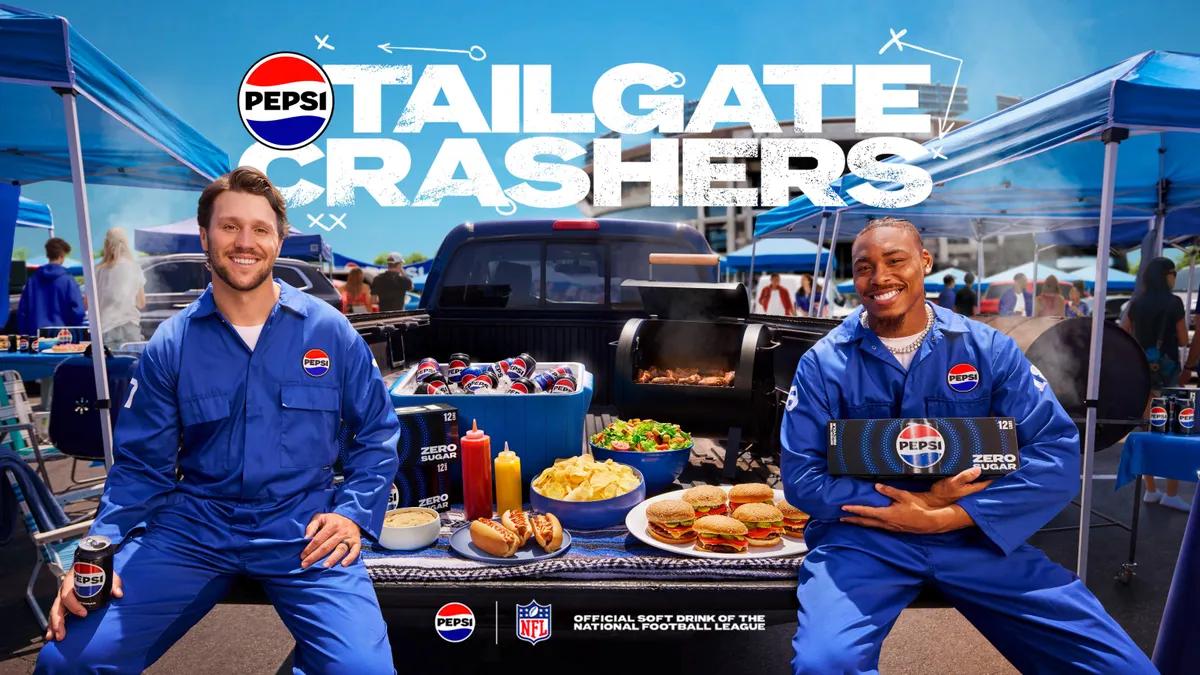
Every fall, the NFL season returns with its usual dose of touchdowns, rivalries, and fan rituals. But this year, Pepsi decided not to just show up as another sponsor splashing logos on TV. Instead, they’ve leaned into something more personal, more human. Their latest Pepsi NFL sponsorship campaign steps straight into the heart of football culture, the tailgate.
For decades, Pepsi has been part of pro football, often associating itself with high-octane celebrity ads or the iconic Super Bowl Halftime Show. That glitz-heavy approach worked when attention was glued to television screens. But times have changed. Fans are scrolling TikTok during halftime, swapping memes on X, and catching highlights on YouTube rather than sitting through ads. Pepsi saw the shift and knew the strategy had to evolve.
Why tailgates matter more than TV ads
Instead of investing everything into a single spectacle, Pepsi is meeting fans where they live and breathe the game: in the parking lots before kickoff. Tailgates are more than pre-game gatherings; they’re community rituals filled with burgers, coolers, and team colors. By sending undercover “Crashers”, this season joined by NFL stars like Josh Allen and Justin Jefferson, Pepsi is inserting itself into those authentic experiences.
This approach transforms the brand from being just a soda on the shelf to becoming part of the memory fans make on game day. It’s the difference between telling people you belong in their lives and actually showing up in their lives. And when every can is cracked open, it comes with laughter and surprise, the message feels real. That’s the power of this Pepsi NFL sponsorship pivot.
The bigger marketing lesson
What Pepsi is doing here is bigger than soda. It’s about shifting from spectacle marketing to experiential marketing. In the past, their football efforts leaned on celebrity-packed commercials, often tied to blockbuster movies or music. Fun, yes, but sometimes too polished, too distant from everyday fans.
Now, the energy is directed toward being present. Twenty-plus events this season will see Pepsi showing up physically, engaging in person, and creating content that feels raw enough to live on TikTok yet polished enough to run on a brand channel. For marketers, this shows the importance of balance. Mass media still matters, but experiences that live online and offline simultaneously carry more weight today.
Entrepreneurs can learn from this. You don’t need an NFL budget to make your product part of your audience’s daily rituals. Host a local event, insert your product into a cultural moment, or create experiences that people will talk about long after the event is done.
The sponsorship as a lesson in brand authenticity
Here’s where the keyword strategy really shines: Pepsi isn’t just attaching its name to football; it’s embedding itself into football culture. That’s the distinction. Sponsorships can sometimes feel like logos slapped onto jerseys or walls, but when a brand builds experiences around those partnerships, it feels authentic.
For example, swapping out rival sodas at a tailgate isn’t just a stunt. It’s a playful nod to competition, a way to spark conversation, and a chance to literally put the product in someone’s cooler. It feels natural in the football environment, and it’s something fans can laugh about while sharing on social media.
The move also reflects how consumer habits have shifted. People trust peer reactions more than polished brand lines. When fans at a tailgate post videos of Pepsi moments, it becomes word-of-mouth advertising on steroids. For Pepsi, the Pepsi NFL sponsorship is now a tool for building social proof as much as for brand awareness.
Why this strategy matters for the future
The stats tell the story: Pepsi’s flagship cola has slipped in rankings, falling behind rivals like Dr Pepper and Sprite. That’s a big deal for a brand that once held the No. 2 spot. Add in investor pressure, and it’s clear why Pepsi is hungry for a fresh marketing strategy.
Instead of clinging to what worked before, they’re betting on cultural fluency. They’re partnering with social-first media brands like Barstool Sports and Hot Ones. They’re creating content designed for the scroll, not the TV break. And they’re making their product feel like part of the day, not just an add-on.
This is a valuable reminder for entrepreneurs: when competition heats up, don’t double down on the old playbook. Listen to your audience, watch where they’re spending their attention, and adapt. Pepsi’s Pepsi NFL sponsorship shift is proof that even giant brands need to stay nimble to survive.
Final whistle: Lessons for every brand
At the end of the day, Pepsi’s tailgate strategy is less about soda and more about connection. They’ve moved from being a halftime act to being in the lot with fans, shoulder to shoulder, making memories.
The takeaway for other brands? Marketing works best when it feels like part of people’s lives, not an interruption. Whether you’re selling software, fashion, or coffee, the principle is the same: show up where your customers are, give them experiences they’ll talk about, and let them carry your message further than any ad spend can.
That’s the real win behind this season’s Pepsi NFL sponsorship, a reminder that even in crowded markets, human connection is still the most powerful marketing tool.
FAQ’s
What kind of content gets people to share naturally?
Real, surprising moments that tap into what your audience already loves usually get shared the most.
How can brands use live events without huge budgets?
Pick one or two moments that matter most to your audience and show up where they already gather instead of trying to create something from scratch.
Why is social-first content so important now?
Because people scroll fast and engage with authenticity, stuff that feels staged gets skipped.

Ari Vivekanandarajah
Co-founder & Lead Strategist, Hype Insight
Co-founder of Hype Insight. Two decades turning marketing and technology spend into measurable revenue, and author of the AI Agent Playbook for Businesses.
More from Ari →Ad Management
Develop, design and execute compelling messages targeted at your audience using cost-efficient strategies.
→